Changing windows in a Basque house is not just a matter of aesthetics or comfort. It is also a committed act that touches upon the soul of the building, local regulations, and sometimes… your patience. Because between full replacement, partial renovation, work declarations, and material choices, it is difficult to know where to start. A word of advice? Do not rush in headlong. Sit down, take a deep breath, and let yourself be guided.
The shutters creak, the windows let in drafts (and sometimes water), and the glazing is vintage. You tell yourself it is time to do something. But here is the thing: in the Basque Country, changing joinery is not a trivial gesture. It is almost an art, or at the very least, a regulated act.
In certain Basque houses, renovation work requires more than a simple replacement. One must contend with the history of the site, the requirements of the Architects of the Buildings of France (ABF), and that famous dilemma: full replacement or partial renovation? One seems gentler, the other more radical—but sometimes, it is the other way around.
As an owner, you want to respect local aesthetics, improve insulation, and above all avoid unpleasant administrative surprises. So let’s talk about it simply. As if we were over coffee, with the plans on the table and a few clear ideas in mind.
What the regulations say in the Basque Country: between heritage and modernity
When is a prior declaration of work required?
One might think that a simple change of windows or doors would go unnoticed, especially if the dimensions remain the same. But in many Basque municipalities, it is not that simple. In Bayonne, Saint-Pée-sur-Nivelle, or Hendaye, your project can very quickly shift from a small DIY task to work subject to authorization.
As soon as a change modifies the exterior appearance—material, color, shape, glazing—it becomes necessary to file a prior declaration of work. This is not just a formality. It is a mandatory step, closely monitored by the town hall and sometimes by the Architects of the Buildings of France (ABF). Their objective? To preserve the aesthetics of Basque houses, especially in historic zones.
To better understand the procedures, you can consult the official factsheet on service-public.fr
What is truly expected from a renovation in the Basque Country
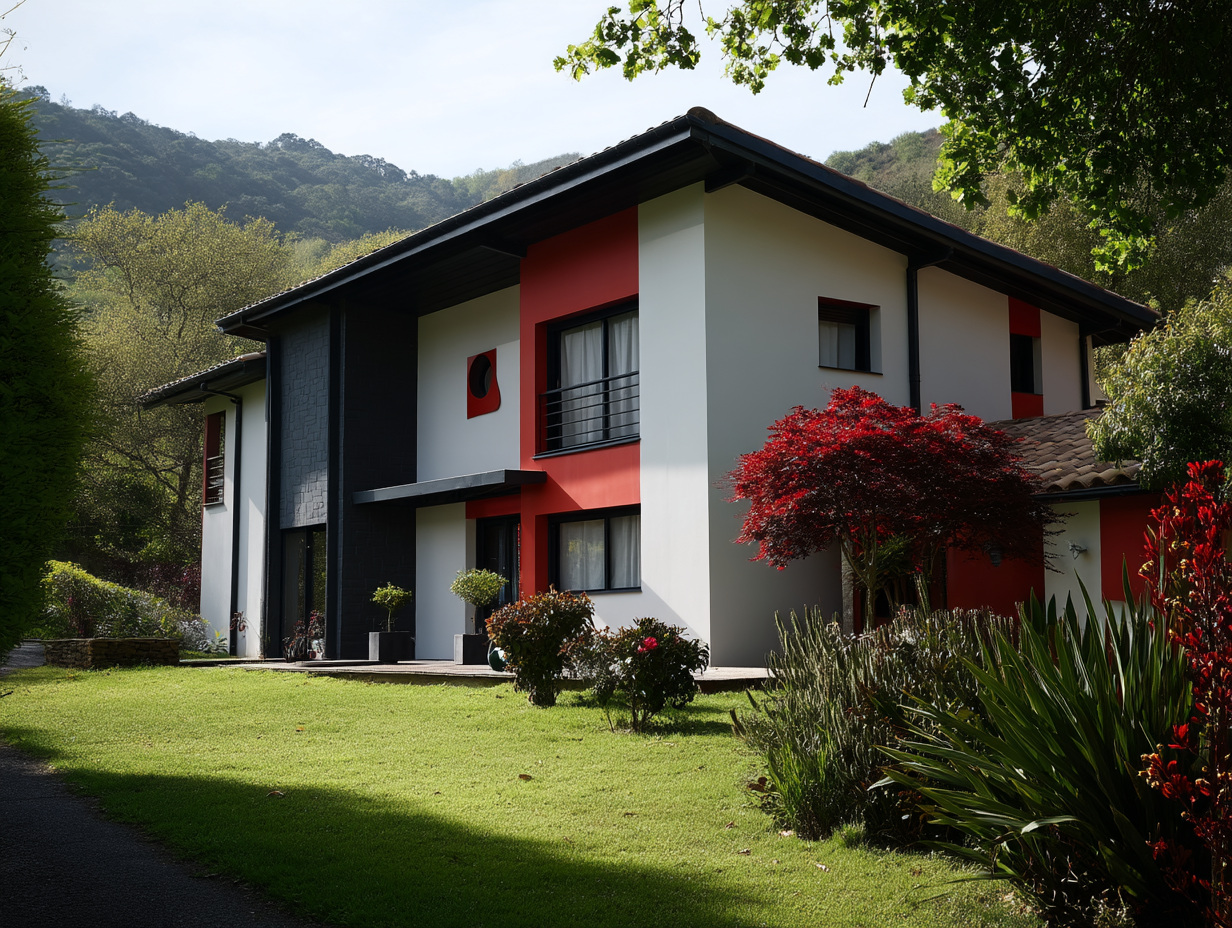
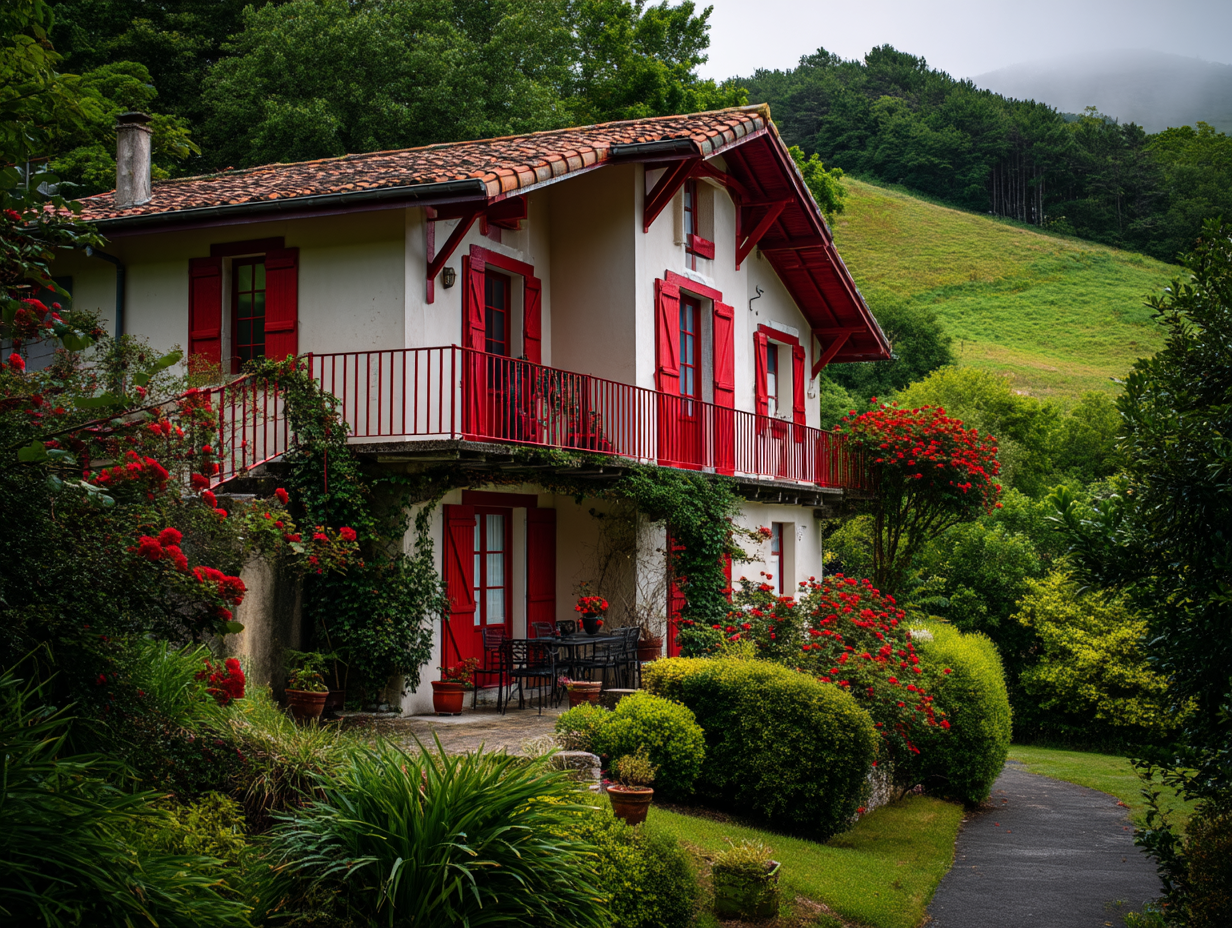
In this region, the windows and sliding glass doors of Basque houses are not insignificant. They are integral elements of the local identity. Basque Country renovation is, above all, a matter of consistency: not breaking the balance between tradition and modern comfort.
Take a common example: you replace your wooden windows with white PVC. Practical, economical, discreet. Except that in a historic district of Biarritz or Espelette, this type of joinery may be refused. Even if it is high-performing, it clashes. The administration may require wood, or a wood-imitation PVC, in a specific shade. This is where a local professional steps in, capable of guiding you upstream and anticipating constraints.
So yes, the regulations may seem strict, sometimes even fastidious. But they also have a logic: that of preserving the beauty of these Basque Country houses that visitors dream of… and that we sometimes forget to admire when we live in them.
Full replacement or partial renovation: how to know which is most suitable?
Partial renovation: practical… but sometimes misleading
On paper, it is tempting. You keep the existing frame and just change the opening sash. Less dust, less work, less budget. This is what many choose, often by reflex.
But here is the catch: if the structure of the building is old—as is often the case in Basque houses—you risk a “quick-fix” effect. The old frame may be warped, infiltrated, or poorly sealed. Thermal comfort remains shaky. Sometimes, even the new glazing fits poorly.
What you save on the bill, you lose in thermal insulation, energy efficiency, and peace of mind. In the long term, partial renovation becomes a bandage on a fracture.
Full replacement: a real makeover for the house
Full replacement is the radical option… but often the most consistent one. The old frame is removed down to the masonry. You start on a clean base, correct sealing defects, and install windows adapted to the facade, keeping high-performance glazing and durable materials in mind.
This solution is ideal if:
the current joinery is several decades old,
the house suffers from significant heat loss,
you are considering a comprehensive renovation, such as renovation and extension projects,
you are aiming for grants to improve energy efficiency.
It is sometimes referred to as a “heavier project.” In reality, it is primarily a durable investment that restores true aesthetic consistency to the facade—and adds value to the Basque Country house.
To learn everything about the energy benefits of this type of work, ADEME offers a clear and accessible dossier: ademe.fr – energy renovation
Choosing the right materials: wood or PVC in the Basque Country?
Wood, a timeless classic in Basque houses
One only needs to walk through the streets of Espelette or Anglet to understand: here, wood is part of the landscape. Not just for its warm appearance or traditional charm, but because it respects an ancient aesthetic to which Basque municipalities are deeply attached.
Wooden windows also have concrete advantages: excellent thermal insulation, exceptional durability if well-maintained, and above all… that little extra soul. A wooden window lives. It breathes with the house. It reacts to the seasons, much like an antique piece of furniture that one loves to see age.
In listed or sensitive areas, the Architects of the Buildings of France often mandate this material. For security. For respect of the building. For heritage logic.
PVC, a possible option… if chosen wisely
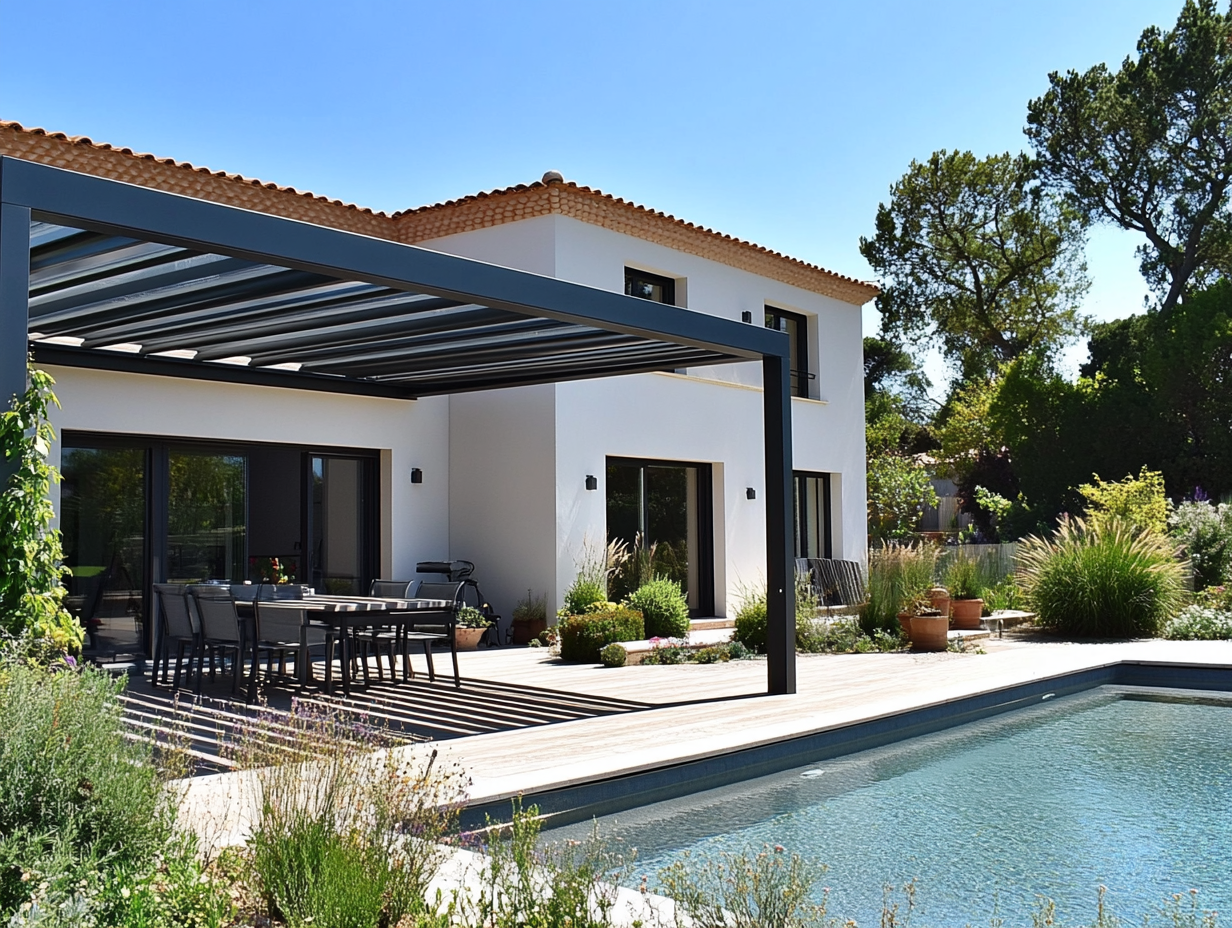
Long shunned, PVC is slowly returning to the spotlight. It has its defenders and, sometimes, its good reasons. Easy to maintain, less expensive, and lighter to install, it can be suitable in certain non-listed areas, or for recent apartments in modern districts of Bayonne or Saint-Jean-de-Luz.
But beware: not all PVC windows are created equal. The ideal? Opt for a wood-imitation model with a color adapted to the facade (standard white is often out of the question). New, more elegant ranges sometimes allow one to fly under the radar… provided the style of the Basque Country house is respected.
A small tip from experience: never choose your joinery from a photo or catalog. You must see them, touch them, and understand the texture and finish. Material is something to be experienced. Especially when it will accompany your daily life for thirty years.
Wherever you are in the Basque Country, renovation projects deserve support
Whether you are in Biarritz, a stone’s throw from the lighthouse, or in a house in Saint-Jean-Pied-de-Port with a view of the mountains, one thing often recurs: projects begin with enthusiasm… then get bogged down in questions.
Is my renovation project subject to a declaration? Is an architect required? Is this glazing high-performing enough for the Basque winter? Can we really mix PVC and wood? What is the difference between partial renovation and full replacement when you have a stone frame?
These questions are heard everywhere. They primarily reveal one point: joinery work is not a “copy-paste” matter. Every house, every neighborhood, and every material carries its own history and its own constraints.
In this region where Basque houses are part of an often protected setting, mistakes are costly. A poorly anticipated choice, a misinterpreted material, a poorly installed window—and the entire aesthetic suffers.
When a neighbor in Saint-Jean-de-Luz had to redo his entire facade because the windows installed did not respect the architectural charter, believe me, it is a sobering thought. It causes frustration. It makes you pay twice.
The moral of the story? It is better to be well-supported.
La Porte Basque, your ally for a successful project without missteps
There are regions where projects are done from a distance. Not here. In the Basque Country, you need people who know the places, the rules, and the customs. And above all, who take the time to listen to you.
La Porte Basque is not just a joinery company. It is a local team, rooted in the territory. Professionals who know what a house renovation in Saint-Pée-sur-Nivelle entails, what the ABF expects from a wooden window in Espelette, or what the humid climate of the Basque coast may require from glazing.
They do not just sell windows. They support life projects, ensuring that everything is well thought out—from the prior declaration of work to the final finish, including invisible but essential details: sealing, shimming, and the proper direction of openings (yes, sometimes that changes everything).
One might think this is a luxury. In reality, it is insurance. The assurance of not wasting time, of not doing things twice, of respecting the soul of your house while improving it.
And let’s put it simply: it is also pleasant to feel understood, especially in a project as personal as the transformation of one’s home.
Replacing a window is never just technical. It is a choice of comfort, style, and sometimes legacy. We think about the value of the house, the winter cold, the light coming in—and what we will leave behind later.
But in the Basque Country, this gesture carries even more weight. It touches upon the history of a place, the dialogue with ancient walls, and that fragile balance between tradition and renovation. A poorly chosen material or an improvised project, and the consistency falters.
So if you feel the time has come to change, do not do it alone. Give yourself the peace of mind of human, solid support, rooted in the territory.
Contact La Porte Basque.
And watch your house breathe again, more beautiful, more comfortable, and more true to itself.